Core loops & systems
Find the one action a player repeats, then build the systems that keep it interesting for hours.
Online game design academy · Gdańsk
Ludivora takes you from the first principles of play — core loops, systems, pacing and level design — all the way to a finished prototype you can actually show. Small cohorts, direct mentor feedback, one real portfolio at the end.

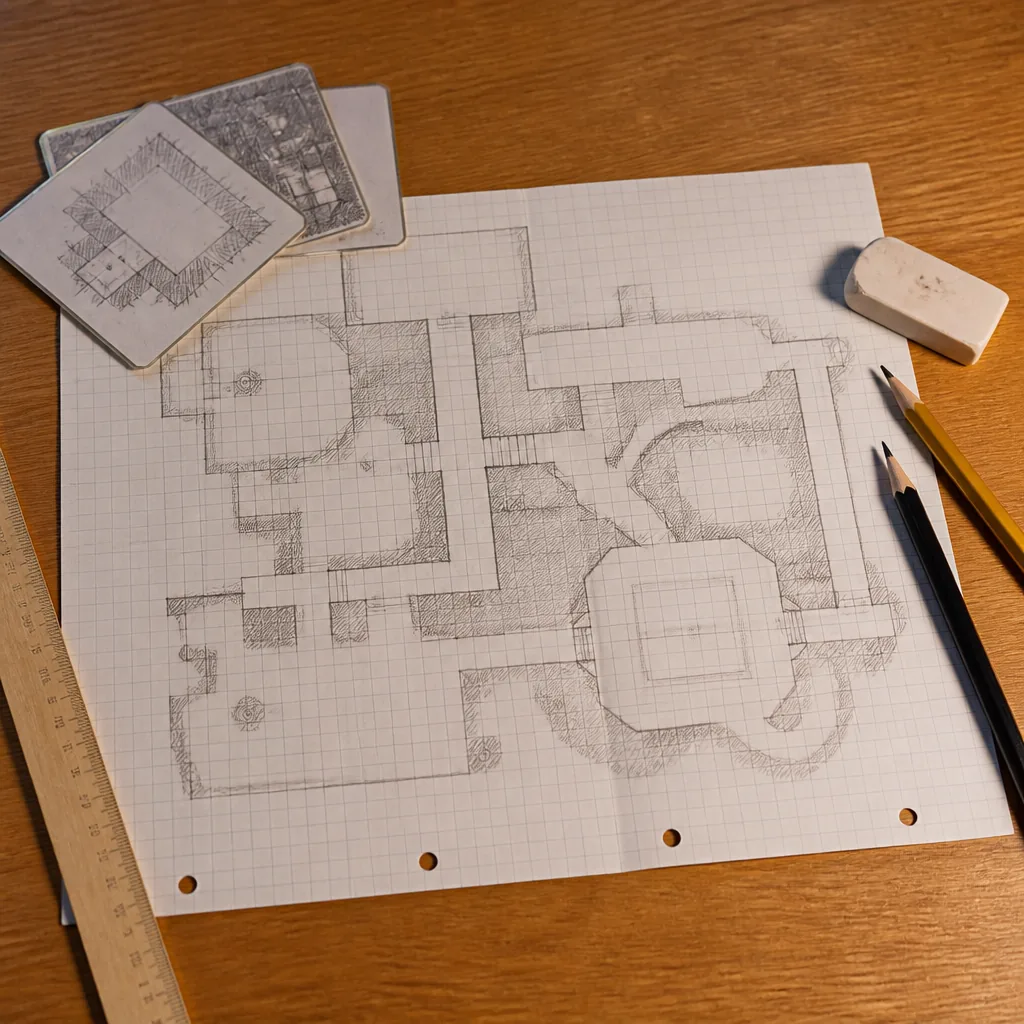
Built like a studio, not a lecture hall
You don't watch someone else make a game. You make one, get it critiqued, and iterate — the same loop a real team runs.
What you'll learn
Each module is a week of theory, a hands-on assignment and a critique. By the end they add up to a whole design, not a pile of tips.
Find the one action a player repeats, then build the systems that keep it interesting for hours.
Shape space, sightlines and pacing so a level teaches, challenges and rewards without a word of tutorial.
Design difficulty curves, rewards and resource flow that feel fair and keep players moving forward.
Tell story through mechanics and environment, not just cutscenes — worlds players want to stay in.
Turn an idea into a playable build fast, so you test the fun before you polish the wrong thing.
Run tests, read what players actually do, and change your design based on evidence, not ego.
The syllabus, week by week
No mystery box. Here is exactly what each block covers, the thing you build that week, and what lands in your portfolio by the end. Read it top to bottom and you have read the whole course.
| Weeks | Module | You build | Goes in your portfolio |
|---|---|---|---|
| 01–03 | Foundations of play | A one-page design for a core loop | Design rationale & loop diagram |
| 04–05 | Level design | A hand-built blockout level | Annotated level walkthrough |
| 06–07 | Systems & economy | A balanced progression curve | Spreadsheet model + notes |
| 08–09 | Narrative & world | An environmental story beat | Worldbuilding one-sheet |
| 10–11 | Prototype in engine | A playable vertical slice | Playable build + build notes |
| 12 | Portfolio review | A polished case study of your slice | Reviewed portfolio piece |
Every deliverable is critiqued by your mentor. You leave with six pieces, not one — enough to show a hiring lead you can carry an idea from sketch to something they can hold a controller and play.

How the week runs
Ludivora is part-time and remote, built around a weekly loop that fits alongside a job or studies.
Core loops, player motivation and the vocabulary designers use to talk about fun.
Pacing, layout and playtest your first hand-built level from blockout to feel.
Progression, economy and difficulty — make numbers that respect the player.
Pull it together into one playable prototype and a portfolio review with your mentor.
Who teaches
Every mentor has shipped games. You're matched with one whose specialism fits the game you want to make.
People who balance economies and progression in live games — they'll pressure-test your numbers.
Builders of spaces and encounters who read your blockouts the way players will move through them.
Designers who make worlds legible — so your story and interface pull in the same direction.
Is this the right room for you?
Foundations is deliberately small and demanding. It rewards people who show up and make things, and it frustrates people looking for a passive video library. Read both columns before you enroll — we would rather you self-select than drop out in week three.
Not sure which side you land on? Talk to us first — a five-minute email saves everyone a wasted cohort seat.
From the cohorts
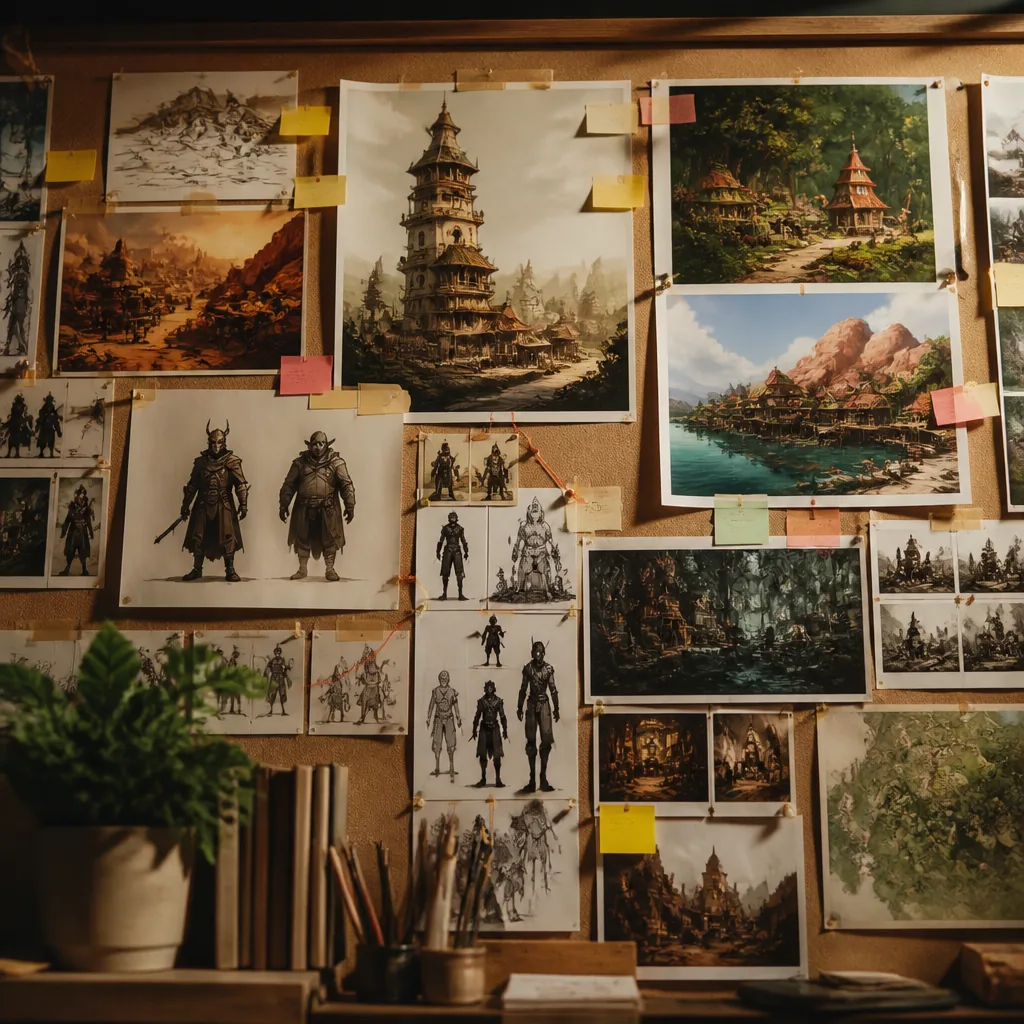
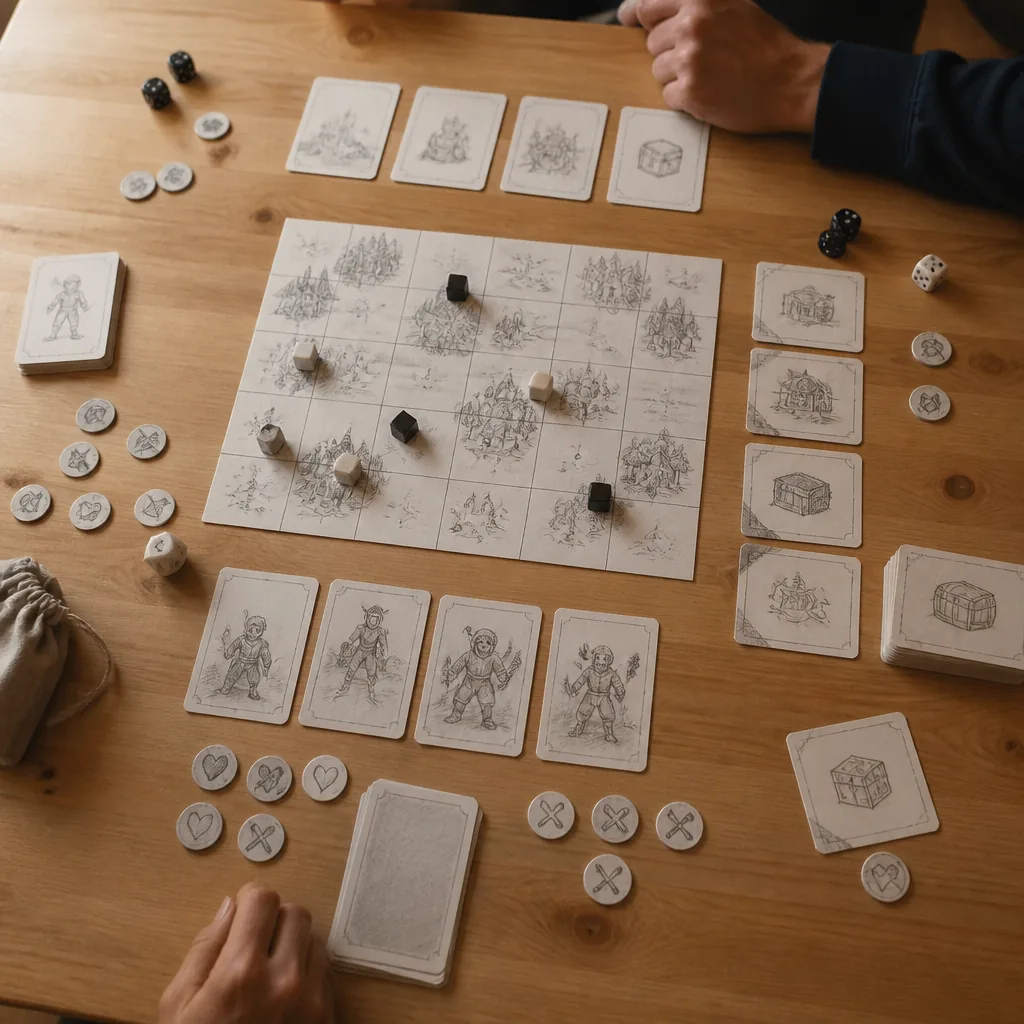
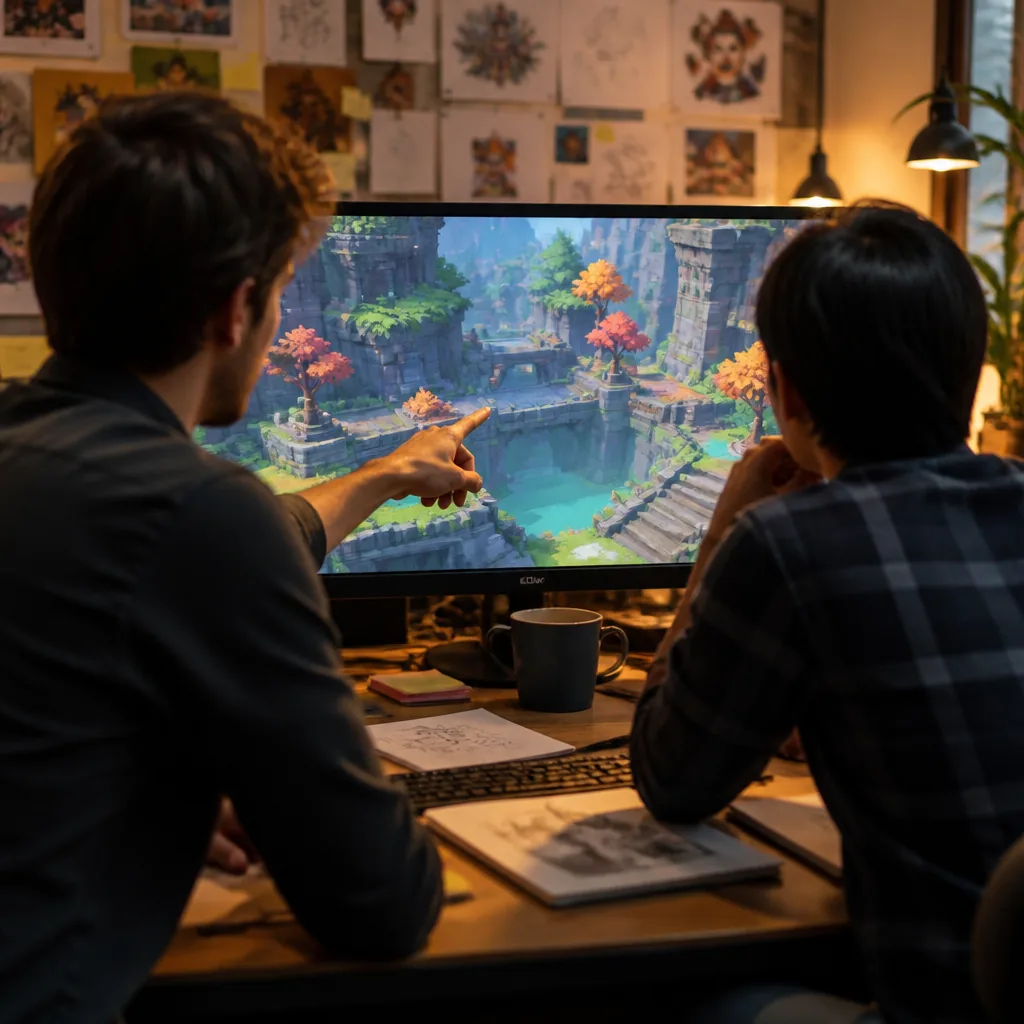
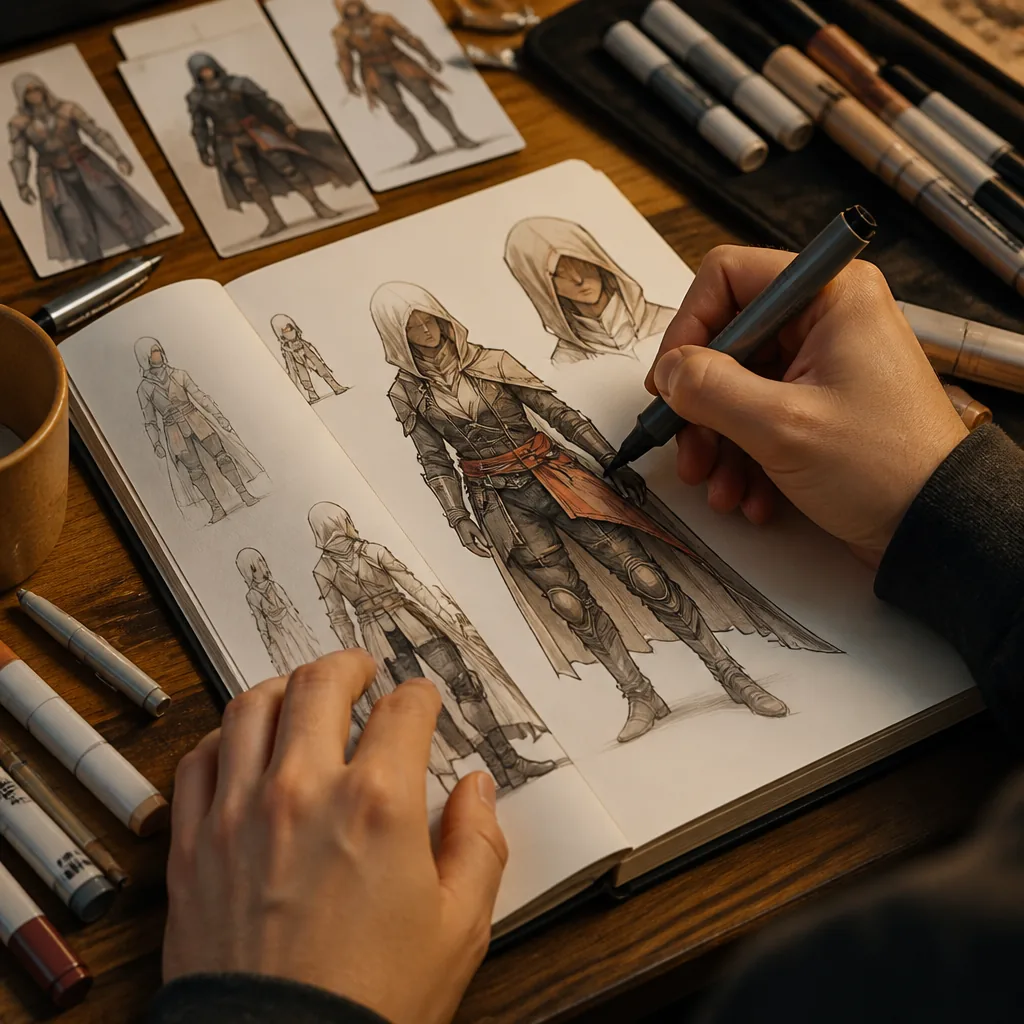
Real work from the program — sketches, paper prototypes and playable builds. Names and screens are representative of student projects.

Drag, scroll or swipe to see more student work
In their words
My mentor pulled the whole economy of my prototype apart in the kindest way possible — and made me rebuild it twice. It stung in week six and it's the reason the build actually holds together now. It's the first project on my portfolio, and the one I get asked about in interviews.
I came in able to talk about games and left able to build one. The Friday critiques alone were worth the fee — you learn as much from other people's projects as your own.
Remote and part-time, but it never felt loose. There was always a deadline and always a real designer reading my work — I finished a playable level while holding down a day job.
Enrollment
Prices are per cohort in Polish złoty. Early-bird pricing applies until four weeks before the start date. A three-part payment plan is available on request.
3,900 zł / 12-week cohort
5,200 zł / 12-week cohort
| What you get | Foundations | + Mentor Track |
|---|---|---|
| 12 live weekly workshops | ✓ | ✓ |
| Weekly written feedback | ✓ | ✓ |
| 1:1 mentor time | 6 hours | 18 hours |
| Friday cohort critiques | ✓ | ✓ |
| Portfolio & career review | — | ✓ |
| Priority feedback queue | — | ✓ |
| Payment plan (3 parts) | ✓ | ✓ |
Prices are per cohort in Polish złoty and include VAT. Early-bird pricing runs until four weeks before the start date — the enrolment form confirms the tier that applies to you.
Questions
Still weighing it up?
Ludivora is run by a small team in Gdańsk, not a faceless platform. Read our story, or send a question and a real mentor answers — usually within a working day.
Prefer to talk first? Email [email protected] or call +48 791 234 567.
Reserve your seat
Tell us a little about you and we'll confirm your seat and payment details by email — no card needed here.